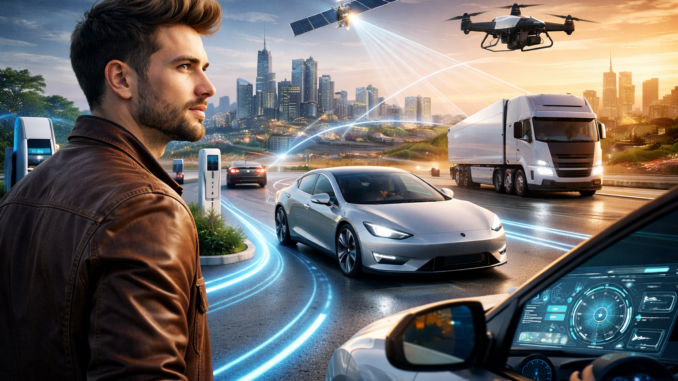
How Smart Automotive Innovations Are Improving Safety, Performance, and Fuel Efficiency
The automotive industry is evolving faster than ever before, driven by rapid advancements in smart technologies. Modern vehicles are no longer just mechanical machines; they are intelligent systems powered by software, sensors, and artificial intelligence. These smart automotive innovations are transforming how vehicles operate, making them safer, more efficient, and higher-performing than previous generations.
In this article, we explore how smart automotive innovations are improving safety, performance, and fuel efficiency, and why these technologies are shaping the future of mobility worldwide.
The Rise of Smart Automotive Technology
Smart automotive technology refers to the integration of digital systems, sensors, connectivity, and artificial intelligence into vehicles. These technologies enable cars to analyze real-time data, communicate with their surroundings, and adapt their behavior to driving conditions.
From advanced safety systems and intelligent engines to connected navigation and predictive maintenance, smart innovations are redefining the driving experience. Automakers are focusing not only on comfort but also on reducing accidents, improving vehicle performance, and minimizing fuel consumption.
Improving Road Safety with Smart Automotive Innovations
Advanced Driver Assistance Systems (ADAS)
One of the most significant contributions of smart automotive technology is the improvement of road safety through Advanced Driver Assistance Systems (ADAS). These systems use cameras, radar, and sensors to monitor the vehicle’s environment and assist drivers in real time.
Key ADAS features include:
- Automatic emergency braking
- Lane departure warning
- Blind spot detection
- Adaptive cruise control
These technologies help prevent collisions by alerting drivers to potential dangers or taking corrective action automatically. As a result, accident rates are decreasing, especially in urban traffic and highway driving.
Driver Monitoring and Alert Systems
Smart vehicles now include driver monitoring systems that track eye movement, facial expressions, and steering behavior. These systems can detect signs of fatigue, distraction, or drowsiness and issue alerts to keep drivers focused.
By addressing human error, which is one of the leading causes of accidents, driver monitoring technology significantly enhances overall road safety.
Vehicle-to-Everything (V2X) Communication
V2X communication allows vehicles to exchange information with other cars, traffic lights, and road infrastructure. This innovation improves safety by providing early warnings about accidents, sudden braking, or hazardous road conditions.
For example, if a vehicle ahead applies emergency braking, nearby cars can receive instant alerts, allowing drivers or automated systems to react faster. This real-time communication reduces collision risks and improves traffic flow.
Enhancing Vehicle Performance Through Smart Technology
Intelligent Engine Management Systems
Smart automotive innovations are revolutionizing vehicle performance through advanced engine management systems. These systems use sensors and AI algorithms to optimize fuel injection, ignition timing, and air intake based on driving conditions.
As a result, engines deliver smoother acceleration, better responsiveness, and improved power output while maintaining efficiency. Intelligent engine control also adapts to different terrains, weather conditions, and driving styles.
Adaptive Suspension and Handling Systems
Modern vehicles are equipped with smart suspension systems that automatically adjust stiffness and damping based on road conditions and driving behavior. These systems enhance ride comfort while maintaining stability and control.
Adaptive suspension improves cornering performance, reduces body roll, and enhances vehicle handling, especially at high speeds or on uneven roads. This technology ensures a balanced driving experience without compromising safety or comfort.
AI-Powered Driving Modes
Smart vehicles now feature AI-powered driving modes that adapt vehicle performance based on driver preferences. Modes such as Eco, Sport, and Comfort adjust throttle response, steering sensitivity, and transmission behavior.
By optimizing performance settings in real time, these systems deliver a personalized driving experience while maximizing efficiency and safety.
Improving Fuel Efficiency with Smart Automotive Innovations
Smart Fuel Management Systems
Fuel efficiency is a major focus of modern automotive innovation. Smart fuel management systems use real-time data to optimize fuel consumption based on speed, load, traffic conditions, and driving habits.
These systems continuously analyze driving patterns and adjust engine performance to minimize fuel waste. As a result, vehicles consume less fuel while maintaining optimal performance.
Hybrid and Electric Powertrain Intelligence
Hybrid and electric vehicles rely heavily on smart technology to maximize efficiency. Intelligent powertrain systems manage the balance between electric motors and internal combustion engines to achieve optimal energy usage.
Regenerative braking systems capture energy during braking and store it in the battery, improving overall efficiency. Smart energy management ensures that electric power is used whenever possible, reducing fuel consumption and emissions.
Predictive Navigation and Route Optimization
Smart navigation systems now use real-time traffic data, road conditions, and weather information to suggest the most efficient routes. By avoiding congestion and reducing idle time, predictive navigation helps save fuel and reduce emissions.
Some systems even adjust driving strategies based on route conditions, such as downhill slopes or frequent stop-and-go traffic, further enhancing fuel efficiency.
The Role of Connectivity in Smart Vehicles
Connected Car Ecosystems
Connected vehicles are part of a broader digital ecosystem that includes smartphones, cloud services, and smart infrastructure. These connections allow vehicles to receive over-the-air software updates, improving performance and efficiency without physical modifications.
Manufacturers can enhance vehicle features, fix bugs, and optimize systems remotely, ensuring that vehicles remain up to date throughout their lifespan.
Real-Time Data and Predictive Maintenance
Smart automotive technology enables predictive maintenance by analyzing vehicle data in real time. Sensors monitor engine health, brake wear, tire pressure, and battery performance.
When a potential issue is detected, drivers receive alerts before a breakdown occurs. This proactive approach reduces repair costs, improves reliability, and ensures that vehicles operate at peak efficiency.
Artificial Intelligence and Machine Learning in Automotive Innovation
AI and machine learning play a critical role in modern automotive development. These technologies allow vehicles to learn from data, adapt to changing conditions, and improve performance over time.
AI-driven systems analyze millions of data points to optimize safety features, driving behavior, and energy usage. Over time, vehicles become smarter, more efficient, and better suited to individual drivers.
Environmental Benefits of Smart Automotive Innovations
Smart automotive technology not only benefits drivers but also supports environmental sustainability. Improved fuel efficiency, reduced emissions, and the adoption of electric vehicles contribute to lower carbon footprints.
Lightweight materials, aerodynamic design optimization, and intelligent energy management further enhance sustainability. These innovations align with global efforts to reduce pollution and combat climate change.
Challenges and Future Outlook
Despite the benefits, smart automotive innovations also present challenges. Cybersecurity risks, data privacy concerns, and system complexity require continuous attention. Automakers are investing heavily in secure software architectures and robust testing to address these issues.
Looking ahead, the future of smart automotive technology is promising. Advancements in autonomous driving, solid-state batteries, and AI-driven mobility solutions will continue to improve safety, performance, and fuel efficiency.
Conclusion
Smart automotive innovations are transforming the automotive industry by making vehicles safer, more powerful, and more fuel-efficient. From advanced safety systems and intelligent engines to connected ecosystems and AI-driven optimization, modern vehicles are designed to meet the demands of a rapidly changing world.
As technology continues to evolve, smart automotive solutions will play an even greater role in shaping the future of transportation. These innovations not only enhance the driving experience but also contribute to a safer, more efficient, and more sustainable mobility ecosystem.
By embracing smart automotive technology, manufacturers and consumers alike are driving toward a smarter and more responsible future on the road.