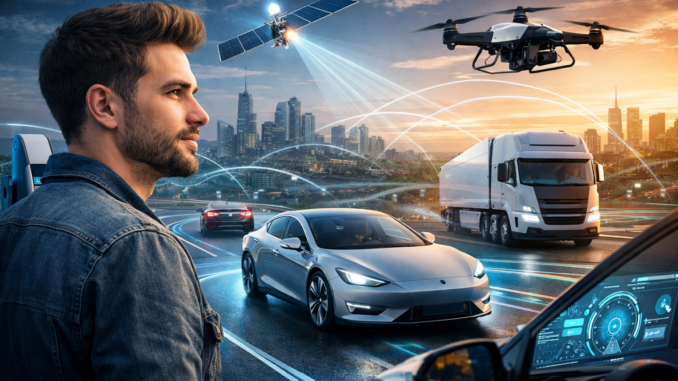
Top Automotive Technology Trends Transforming Modern Vehicles in 2026
The automotive industry is undergoing one of the most significant transformations in its history. By 2026, rapid advancements in technology are reshaping how vehicles are designed, manufactured, and driven. From artificial intelligence and electric powertrains to advanced safety systems and connected car ecosystems, modern vehicles are becoming smarter, cleaner, and more efficient than ever before.
This article explores the top automotive technology trends transforming modern vehicles in 2026, highlighting how these innovations are improving performance, safety, sustainability, and the overall driving experience.
1. Artificial Intelligence (AI) and Machine Learning in Vehicles
Artificial Intelligence has become a core component of modern automotive technology. In 2026, AI and machine learning systems are deeply integrated into vehicles to enhance safety, comfort, and efficiency.
AI-powered driver assistance systems analyze real-time data from cameras, radar, and sensors to predict potential hazards. These systems can recognize traffic patterns, detect pedestrians, and adapt driving behavior accordingly. Machine learning also enables vehicles to learn driver preferences, such as seating position, climate control, and driving style, creating a personalized driving experience.
In addition, AI is improving vehicle diagnostics by predicting maintenance issues before they become serious problems, reducing repair costs and unexpected breakdowns.
2. Advanced Driver Assistance Systems (ADAS)
Advanced Driver Assistance Systems continue to evolve rapidly and are a major focus of automotive innovation in 2026. Modern ADAS features go beyond basic lane departure warnings and adaptive cruise control.
Today’s systems include:
- Traffic jam assist
- Automated lane changing
- Emergency steering assistance
- Driver monitoring systems
These technologies rely on high-precision sensors and AI algorithms to support safer driving. Many vehicles now feature Level 2+ autonomy, allowing partial automation under certain conditions. While full self-driving is still under development, ADAS is significantly reducing accident rates and improving road safety.
3. Electric Vehicle (EV) Battery Innovations
Electric vehicles are no longer a niche market. By 2026, EV adoption has increased globally, driven by advancements in battery technology.
New battery innovations focus on:
- Higher energy density
- Faster charging times
- Longer lifespan
- Improved thermal management
Solid-state batteries are one of the most promising developments. They offer higher safety and efficiency compared to traditional lithium-ion batteries. With improved charging infrastructure and extended driving ranges, electric vehicles are becoming more practical and appealing for everyday use.
These advancements are also reducing the overall cost of EV ownership, making electric mobility accessible to a broader audience.
4. Connected Cars and Vehicle-to-Everything (V2X) Communication
Connectivity is transforming vehicles into mobile digital platforms. In 2026, connected cars use advanced communication systems to interact with other vehicles, infrastructure, and cloud services.
Vehicle-to-Everything (V2X) technology allows cars to:
- Communicate with traffic signals
- Receive real-time traffic updates
- Warn drivers of road hazards
- Improve navigation efficiency
This connectivity enhances safety by reducing collision risks and optimizing traffic flow. Over-the-air (OTA) software updates also enable manufacturers to improve vehicle performance, security, and features without requiring a dealership visit.
5. Autonomous Driving Development
Autonomous driving remains one of the most talked-about automotive technology trends. While fully autonomous vehicles are not yet widespread, 2026 sees major progress in this area.
Automakers are testing higher levels of automation in controlled environments such as highways, parking areas, and urban zones. Improved sensor fusion, high-definition mapping, and AI decision-making systems are bringing autonomous driving closer to reality.
Even partial autonomy is transforming the driving experience by reducing driver fatigue, increasing efficiency, and enhancing safety during long journeys.
6. Sustainable Materials and Eco-Friendly Manufacturing
Sustainability is becoming a key priority in automotive design and manufacturing. In 2026, automakers are adopting eco-friendly materials and greener production processes.
Innovations include:
- Recycled plastics and metals
- Bio-based interior materials
- Lightweight composites to improve efficiency
Manufacturers are also reducing carbon emissions by using renewable energy in production facilities and optimizing supply chains. These efforts support global environmental goals while meeting consumer demand for more sustainable vehicles.
7. Smart Interiors and Digital Cockpits
The interior of modern vehicles is evolving into a digital and interactive space. Smart interiors in 2026 feature advanced infotainment systems, voice-controlled assistants, and customizable digital displays.
Large touchscreens, augmented reality head-up displays, and seamless smartphone integration enhance usability and convenience. Voice recognition systems powered by AI allow drivers to control navigation, music, and vehicle settings without distraction.
These digital cockpits create a more immersive and user-friendly driving experience while improving safety by minimizing manual controls.
8. Enhanced Vehicle Cybersecurity
As vehicles become more connected, cybersecurity has become a critical concern. In 2026, automotive cybersecurity technologies are more advanced than ever.
Manufacturers are implementing:
- Encrypted communication systems
- Secure software architectures
- Real-time threat detection
These measures protect vehicles from hacking, data breaches, and unauthorized access. Regular software updates and security monitoring ensure that connected vehicles remain protected throughout their lifespan.
Cybersecurity is now a fundamental aspect of automotive engineering, ensuring trust and reliability in modern vehicles.
9. Advanced Manufacturing Technologies
Automotive manufacturing is also being transformed by new technologies. In 2026, advanced manufacturing methods such as automation, robotics, and 3D printing are widely used.
These technologies enable:
- Faster production cycles
- Higher precision and quality
- Reduced material waste
Digital twins and smart factories allow manufacturers to simulate production processes and identify improvements before implementation. This results in more efficient production and better vehicle quality.
10. Improved Safety Through Sensor Technology
Sensor technology continues to play a vital role in automotive innovation. Modern vehicles are equipped with advanced cameras, radar, lidar, and ultrasonic sensors.
These sensors provide a 360-degree view of the vehicle’s surroundings, enabling features such as:
- Blind spot detection
- Automatic emergency braking
- Pedestrian and cyclist recognition
By 2026, sensor accuracy and reliability have improved significantly, making vehicles safer for both drivers and pedestrians.
Conclusion
The automotive industry in 2026 is defined by rapid technological advancement and innovation. From artificial intelligence and electric vehicles to connected car ecosystems and sustainable manufacturing, modern vehicles are evolving into intelligent, efficient, and environmentally responsible machines.
These automotive technology trends are not only transforming how vehicles operate but also redefining the driving experience itself. As innovation continues to accelerate, the future of mobility promises safer roads, cleaner transportation, and smarter vehicles designed to meet the needs of a rapidly changing world.
By embracing these trends, automakers and consumers alike are shaping a more advanced and sustainable automotive future.