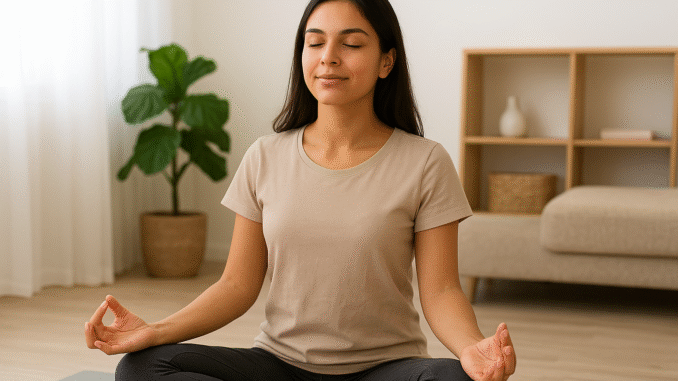
The Science of Self-Care: Simple Habits That Improve Your Health Every Day
In a world where hustle culture often dominates our daily lives, self-care has evolved from being a luxury to a necessity. Many people associate self-care with spa days, expensive retreats, or indulgent treats, but the truth is far simpler. Self-care is about developing everyday habits that nourish your body, mind, and soul.
The science behind self-care reveals that small, consistent actions can lead to significant improvements in physical health, emotional balance, and overall well-being. As we move deeper into 2025, integrating evidence-based self-care habits into your routine can be one of the most transformative things you do for yourself.
Here’s what science says about self-care—and how you can easily apply it to your daily life.
1. The Science Behind Self-Care
Self-care isn’t just a trendy buzzword; it’s backed by neuroscience and psychology. Studies show that consistent self-care practices can reduce cortisol levels (the stress hormone), strengthen the immune system, and even improve cognitive performance.
When you engage in activities that promote relaxation or joy, your brain releases dopamine and serotonin—the “feel-good” chemicals responsible for happiness and motivation. Over time, these neurochemical benefits help your body regulate stress and support better emotional resilience.
Self-care also activates the parasympathetic nervous system, which controls rest, digestion, and recovery. This counteracts the body’s stress response and promotes long-term wellness.
2. Prioritize Sleep: Your Foundation for Wellness
Sleep is one of the most underrated yet vital components of self-care. Poor sleep can affect everything from mood and memory to immunity and metabolism. Research has shown that adults who get 7–9 hours of quality sleep per night perform better mentally and physically than those who don’t.
Here are simple, science-backed tips to improve your sleep:
- Stick to a regular schedule: Go to bed and wake up at the same time daily.
- Create a relaxing bedtime routine: Dim the lights, avoid screens, and practice light stretching or meditation.
- Optimize your sleep environment: Keep your bedroom cool, dark, and quiet.
Sleep allows your brain to detoxify and repair cells, making it one of the most powerful self-care tools available.
3. Nourish Your Body with Mindful Eating
Self-care begins from within—and what you eat directly affects your energy, focus, and mood. Instead of following restrictive diets, focus on mindful eating and nutrient-rich foods that fuel your body.
A balanced diet should include:
- Whole foods: Fruits, vegetables, whole grains, lean proteins, and healthy fats.
- Hydration: Drinking enough water boosts brain function and keeps your skin healthy.
- Moderation: Enjoy your favorite foods without guilt, but be mindful of portions.
Mindful eating involves slowing down, savoring each bite, and paying attention to how your body feels. This reduces overeating and promotes a healthy relationship with food.
Science shows that eating in a relaxed state helps your body digest better and absorb more nutrients, improving both physical and mental health.
4. Move Your Body Daily
Exercise isn’t just about aesthetics—it’s one of the most effective ways to improve mood and brain health. Physical activity increases blood flow, releases endorphins, and enhances the growth of new neurons in the brain.
You don’t need to spend hours in the gym to see results. The key is consistency over intensity.
Here are easy ways to stay active every day:
- Take a 30-minute walk or bike ride.
- Try yoga or Pilates for flexibility and stress relief.
- Do bodyweight exercises like squats, push-ups, or planks at home.
- Stretch every morning to improve mobility and circulation.
Even 10 minutes of movement can make a difference. Exercise boosts energy, sharpens focus, and strengthens your immune system—all essential for everyday wellness.
5. Practice Daily Mindfulness and Meditation
Mindfulness has become one of the most researched self-care practices—and for good reason. Studies show that mindfulness reduces anxiety, improves sleep, and enhances overall happiness.
Mindfulness is simply being present in the moment without judgment. You can practice it through meditation, breathing exercises, or simply paying attention to your surroundings.
How to start:
- Set aside 5–10 minutes daily.
- Sit comfortably and focus on your breath.
- When your mind wanders, gently bring your focus back.
Apps like Headspace, Calm, or Insight Timer can guide you through short sessions.
Over time, mindfulness retrains your brain to stay calm under pressure, helping you manage stress more effectively.
6. Protect Your Mental Health
In 2025, mental health awareness is at an all-time high—and for good reason. Emotional self-care is as important as physical care. Ignoring your mental well-being can lead to burnout, anxiety, and chronic stress.
Here are simple but powerful mental health self-care practices:
- Set boundaries: Learn to say “no” when you’re overwhelmed.
- Journal regularly: Writing your thoughts helps release emotional tension.
- Talk about your feelings: Share with a friend, family member, or therapist.
- Take digital breaks: Limit social media time to protect your focus and peace.
Mental self-care helps you build emotional resilience, self-awareness, and clarity—qualities that make you stronger and happier in everyday life.
7. Build Positive Relationships
Social connections are one of the strongest predictors of long-term happiness and health. In fact, Harvard’s 85-year-long Study of Adult Development found that good relationships are more important to well-being than wealth or fame.
To strengthen your connections:
- Make time for friends and loved ones, even if it’s just a short call.
- Be fully present when spending time with others.
- Practice empathy, kindness, and active listening.
Healthy relationships lower stress, improve heart health, and even increase lifespan. In other words, community care is self-care.
8. Manage Stress Effectively
Chronic stress can wreak havoc on your immune system, digestion, and mental clarity. However, self-care helps you manage stress before it takes control.
Effective stress-reduction techniques include:
- Breathing exercises: Try the 4-7-8 breathing method—inhale for 4 seconds, hold for 7, and exhale for 8.
- Nature walks: Spending time outdoors lowers cortisol and boosts mood.
- Listening to music or art therapy: Creative expression helps release tension.
Stress is inevitable, but how you respond to it determines its impact. With the right self-care tools, you can maintain calm and balance even in challenging times.
9. Practice Gratitude Every Day
Gratitude may seem simple, but its impact on health is profound. According to research from the University of California, practicing gratitude can lower stress hormones by up to 23% and improve sleep quality.
To incorporate gratitude into your routine:
- Write down three things you’re thankful for each morning.
- Express appreciation to others regularly.
- Reflect on positive experiences before bed.
Gratitude shifts your focus from what’s lacking to what’s abundant, rewiring your brain for positivity and contentment.
10. Schedule Regular Downtime
Rest isn’t laziness—it’s essential for productivity and well-being. In our busy lives, constantly being “on” can lead to burnout. Scheduling downtime allows your body and brain to recharge.
Some ways to rest mindfully:
- Read a book or listen to soothing music.
- Take a nap when your body needs it.
- Spend time in silence or meditation.
Science shows that regular rest periods improve creativity, memory, and problem-solving skills. By making rest a priority, you boost your long-term efficiency and happiness.
11. Personal Growth as Self-Care
Self-care also includes investing in your personal development. Learning new skills, reading, or pursuing hobbies enriches your mind and provides a sense of fulfillment.
Personal growth fuels confidence and motivation—two key ingredients for emotional health. Whether it’s learning a new language, painting, or exploring a new career path, never stop nurturing your potential.
12. Create a Self-Care Routine That Works for You
The best self-care routine is the one you’ll actually follow. Start small—pick one or two habits from this list and build consistency.
A sample self-care day could look like this:
- Morning: 10 minutes of meditation and a healthy breakfast.
- Afternoon: A short walk or stretch break between work.
- Evening: Journaling, gratitude reflection, and tech-free relaxation.
Over time, these small habits compound into powerful changes. The key is to make self-care a natural part of your lifestyle—not an afterthought.
Conclusion: Self-Care Is an Investment, Not an Indulgence
Self-care isn’t selfish—it’s an act of respect for your body and mind. By understanding the science behind it, you can create simple daily habits that improve your overall health and happiness.
Remember, self-care doesn’t require perfection or expensive tools—it’s about consistency, awareness, and kindness toward yourself.
Start today with one small change: sleep a bit earlier, drink more water, or take a mindful breath. Your future self will thank you for it.